
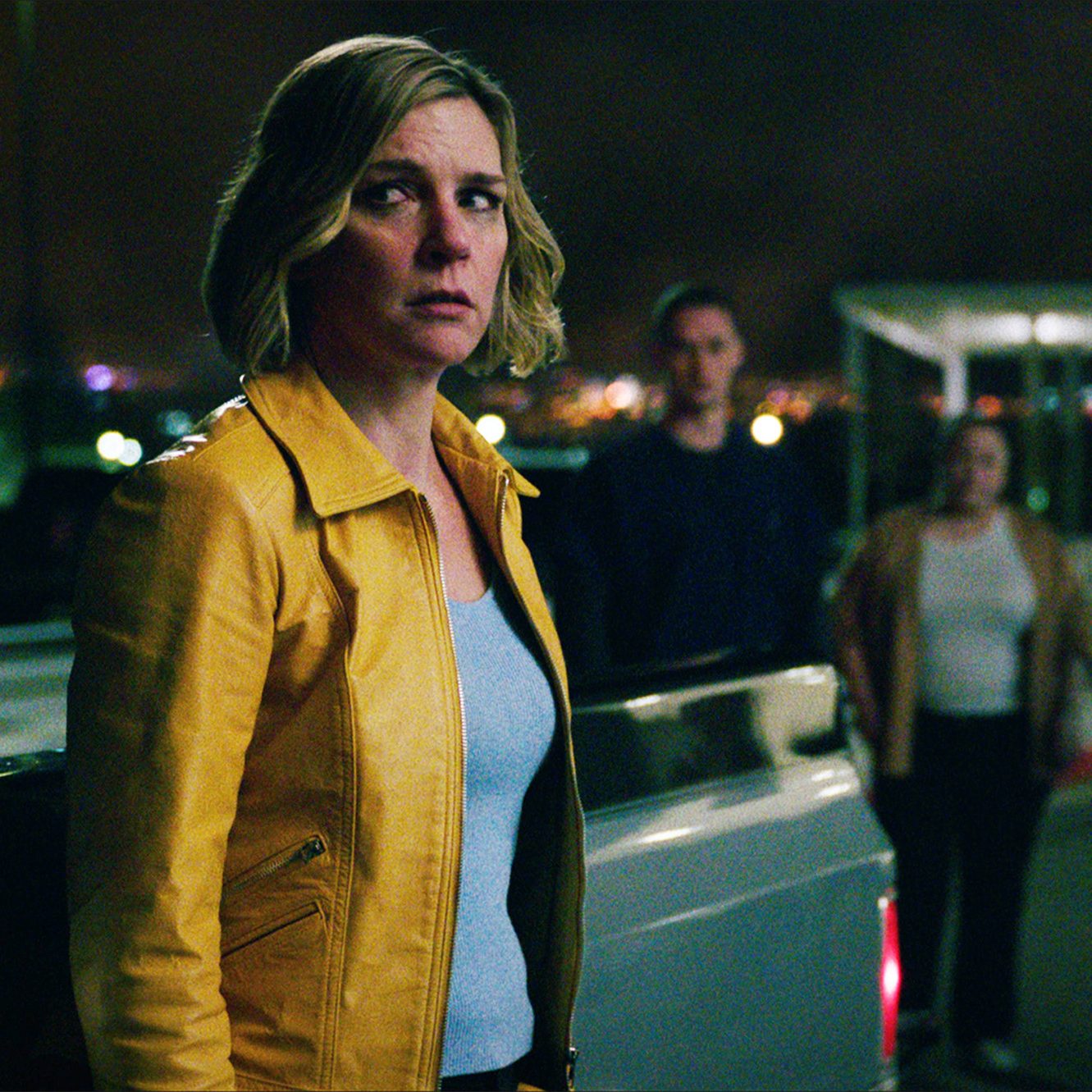
Special Editorial – ‘Pluribus’: In Praise of Stillness
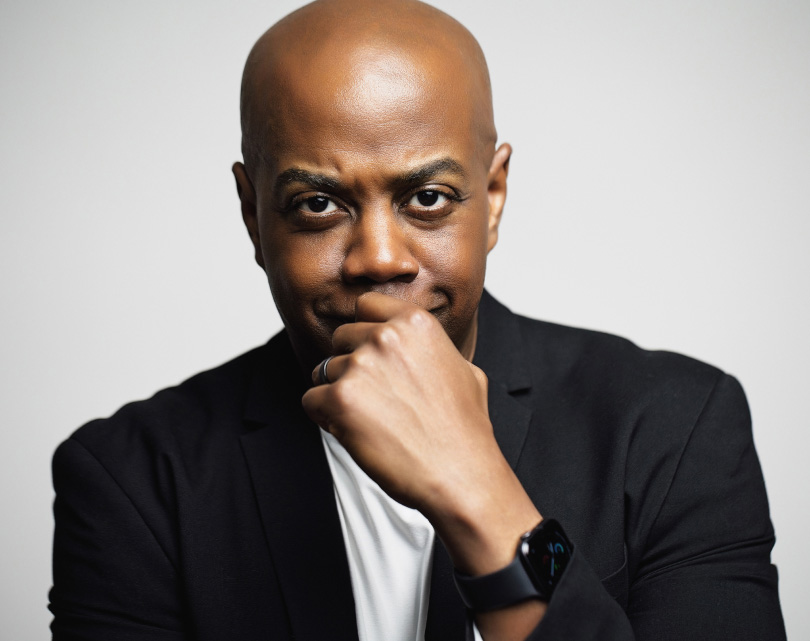
Jeffrey Morris
Founder & COO, FutureDude Entertainment
Writer/Director/Designer
One of the most striking things about Pluribus is how deliberately it refuses to rush. In a media landscape trained on violence and acceleration—twists, shocks, and constant motion—this series does something radical: it slows down and asks us to sit with an idea as opposed to simply consuming it. That choice alone has made it divisive.
Online, I’ve seen a growing number of complaints framed around a familiar refrain: nothing is happening. I couldn’t disagree more. An extraordinary amount is happening—but it requires attention, patience, and a willingness to think rather than be carried along.
Pluribus is not a simple puzzle-box mystery designed to be solved in thirty seconds. It’s closer to the kind of speculative inquiry you’d find in a classic episode of The Twilight Zone or the original Star Trek at its best—stories that didn’t just entertain, but quietly stayed with you and lingered in your thoughts.
At the center of the show is a question that’s far more unsettling than any overt threat:
What if a peaceful world isn’t a lie?
The series presents us with an alien-inspired phenomenon—something akin to a viral intelligence—that has effectively unified humanity into a single collective consciousness. All violence has ceased. Environmental damage has been mitigated. Conflict has evaporated. The world appears calmer, gentler, more balanced. Sign me up.
And instead of reassuring us that all of this must be evil, Pluribus resists that comfort and simplicity. And I think that’s awesome. The second it turns into a zombie-themed apocalypse, I’m out. That trope is getting very tired and overdone. This show offers a premise and a dilemma that are much more interesting.
Watching it, I find myself genuinely torn and actively interrogating my own values. If I were one of the handful of people not absorbed into this collective—one of the twelve who remain outside—how would I feel? Concerned and maybe even a little afraid, certainly. But also curious. Cautious. Maybe even tempted.
There’s a moment with one of those twelve unabsorbed characters—a young woman—who isn’t excited about her continued independence. She’s sad. She feels the absence. She wants to belong to the whole. That struck me deeply, because it complicates the usual narrative. Individuality isn’t framed as an obvious victory; it’s a burden as much as a gift.
Would I want to keep my individuality? Probably. I believe I would.
But would I immediately reject the new system without trying to understand it? No. Absolutely not. Nor would I immediately try to undo it. That would bring its own set of well-known complications.
I’d want to talk to the collective. Question it. And most of all—try to understand why this intelligence intervened at all. Was it observing humanity from afar, watching us harm one another and the planet, and deciding that something had to change? Was it a preemptive act—an attempt to prevent a violent species from spreading beyond Earth? Was it altruistic? Protective? Or something more self-interested that simply hasn’t revealed itself yet?
The show doesn’t rush to answer any of this, and that’s precisely the point. And I love it.
What fascinates me most is that I’ve found myself watching episodes more than once because there’s so much to unpack in the silences, the expressions, the ethical weight of what’s being implied rather than stated.
Like Vince Gilligan’s other amazing series (especially Better Call Saul—which is in my top-10 shows of all time), Pluribus rewards attention. It asks something of its audience. That’s why the criticism that “nothing happens” feels less like a critique of the show and more like a confession about how we’ve been trained to watch.
This is a series about consent without preaching it. The central character, Carol, exists in a liminal space—she could choose to join the collective, but she refuses to have it imposed on her. That distinction matters. It’s where the show finds much of its moral tension. Choice versus coercion. Belonging versus autonomy. Plus, Rhea Seehorn (as Carol Sturka) does an amazing job in her leading role. It’s a super heavy lift, and she commands every second she’s on screen.
Anyway… I’m not convinced a peaceful world is inherently a bad thing. I’m also not convinced that peace, if achieved at the cost of selfhood, is acceptable. Pluribus doesn’t tell me what to think—and I’m grateful for that. It trusts me enough to sit with uncertainty.
In an era defined by impatience, outrage, and constant noise, there’s something quietly courageous about a show that says: Slow down. Focus. Think.
If you’re willing to do that, Pluribus offers something rare—instead of simple answers, a space to ask interesting and important questions.